
Ecuador has made history again by extending its pioneering rights of nature framework to include its coastal and marine ecosystems coral reefs, mangroves, fish populations and all.
The country’s Constitutional Court declared that these marine‑coastal environments deserve “integral respect for their existence and for the maintenance and regeneration of their life cycles, structure, functions and evolutionary processes.”
The ruling, handed down in late 2024, came in response to a legal challenge by industrial fishing interests that argued regulation of an eight‑mile coastal zone reserved for small‑scale fishers violated their rights. The Court rejected the challenge. Instead, it affirmed that the coastal ecosystems are legal rights‑holders in their own right.
In its decision, the Court emphasized the intrinsic value of these ecosystems, and underscored their crucial role in adapting to climate change. According to legal experts, the decision means Ecuador’s government must now enforce stronger protections, potentially imposing stricter limits on industrial fishing, aquaculture, or oil and gas development, to ensure these “vital processes” are not disrupted.
This isn’t the first time Ecuador has stood out on eco‑law. Back in 2008, it became the world’s first country to enshrine rights for nature in its constitution, declaring that nature is a legal subject, not just property. The new ruling builds significantly on that foundation, expanding the scope to cover marine life and coastal landscapes.
Environmental advocates say this is a huge win, not just for Ecuador’s natural heritage, but for how the world thinks about the ocean. By giving nature a legal voice, the Court has tapped into a growing global movement where people (and the planet) can challenge environmental harm in the name of ecosystems themselves.
Yet the ruling also raises big questions. How will the government translate this legal principle into real‑world protections? What limits will it place on extractive industries like fishing and aquaculture? And how will it enforce the restoration and regeneration obligations the Court has imposed? Legal analysts say the decision opens the door for future lawsuits, not just in Ecuador, but as a global precedent for ocean rights.
Ecuador has reaffirmed that nature is not merely a resource, it has rights. And now, those rights officially belong to its coastal waters.
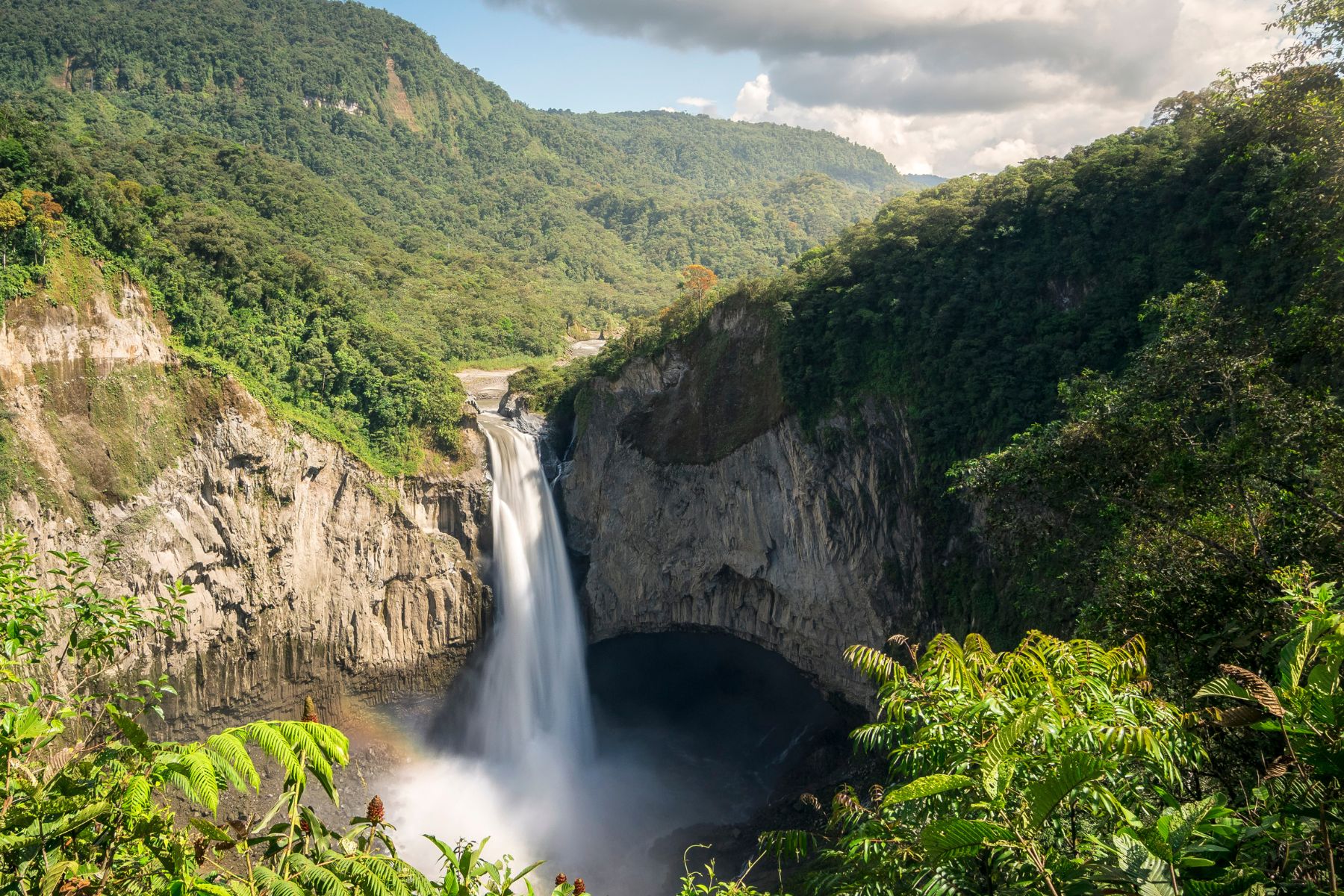
Photo by David Aguilar Photography from Getty Images Pro