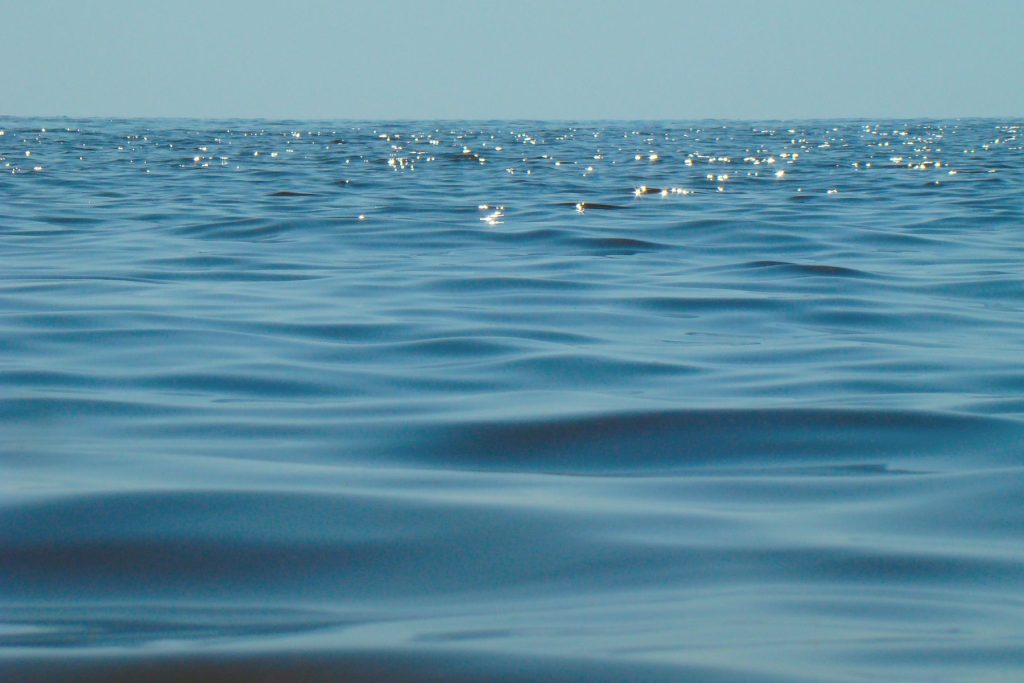
A global treaty to conserve the high seas has come into effect
Beyond the boundaries of national jurisdiction lies the High Seas, a vast expanse that covers most of the ocean and nearly half of Earth’s surface.

Beyond the boundaries of national jurisdiction lies the High Seas, a vast expanse that covers most of the ocean and nearly half of Earth’s surface.
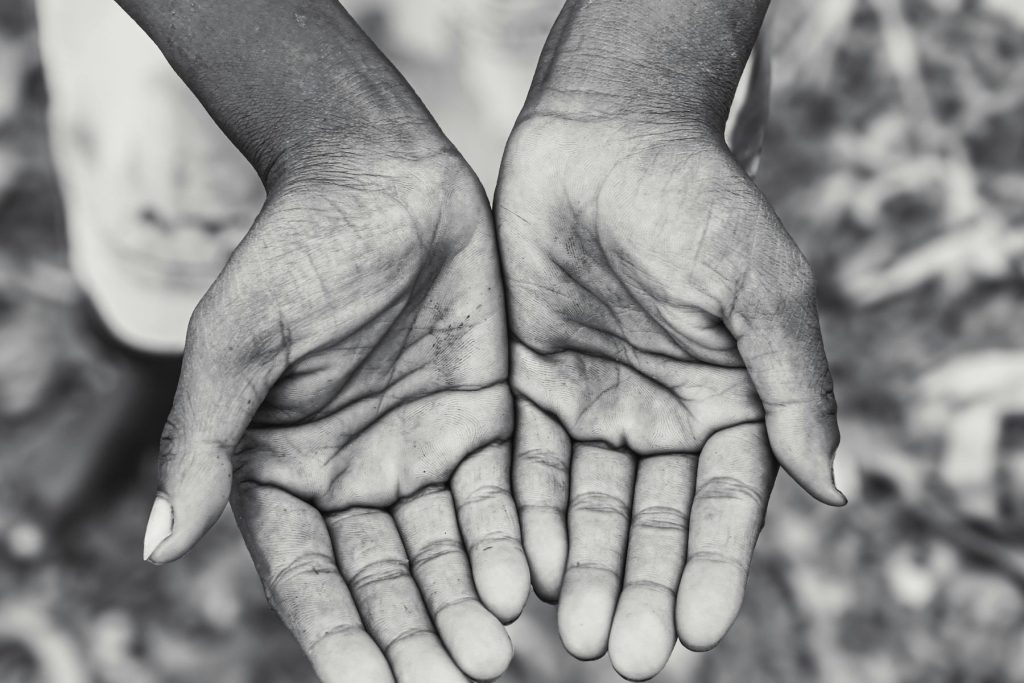
Despite a period of extraordinary global disruption, recent trends point to renewed momentum in the fight against poverty. After years marked by the COVID 19 pandemic, high inflation, conflict, and climate related shocks, many countries are beginning to regain ground.

2025 opened in violence and fear. A deadly car ramming attack struck New Orleans on New Year’s Day, and the months that followed brought a string of devastating mass shootings, including one at Brown University. On the surface, 2025 has often felt like another grim chapter in America’s long struggle with gun violence.

Children across the UK will now be far better protected from junk food advertising, as tough new rules come into force in a major push to tackle childhood obesity and improve young people’s health.
Australia is quietly approaching a historic medical milestone. It is on track to become the first country in the world to eliminate cervical cancer, with experts confident the disease could all but disappear by 2035.

In 2025 the Polish parliament engaged in a major debate over animal welfare that captured widespread public and political attention. Lawmakers passed a bill that would have ended long term chaining of dogs and imposed new rules on how dogs can be kept outdoors. This legislative initiative became known in media and parliamentary discussions as the ustawa łańcuchowa or the chain law.

In a quiet but powerful decision, the U.S. Supreme Court has declined to reconsider its landmark Obergefell v. Hodges ruling from 2015, which established same‑sex marriage as a constitutional right nationwide.

Ecuador has made history again by extending its pioneering rights of nature framework to include its coastal and marine ecosystems coral reefs, mangroves, fish populations and all.

For the first time ever, women in England can now pick up the morning‑after pill free of charge from almost 10,000 high‑street pharmacies, without needing an appointment at a GP surgery or sexual health clinic.

In a landmark move to make banking more inclusive, the UK government has unveiled a new pilot scheme that will let people experiencing homelessness open bank accounts even if they don’t have a fixed address.