
In a landmark environmental move, the UK government has passed a law banning the sale of wet wipes containing plastic in England. The new regulations are set to take full effect in spring 2027, giving manufacturers and retailers time to phase out plastic-based wipes.
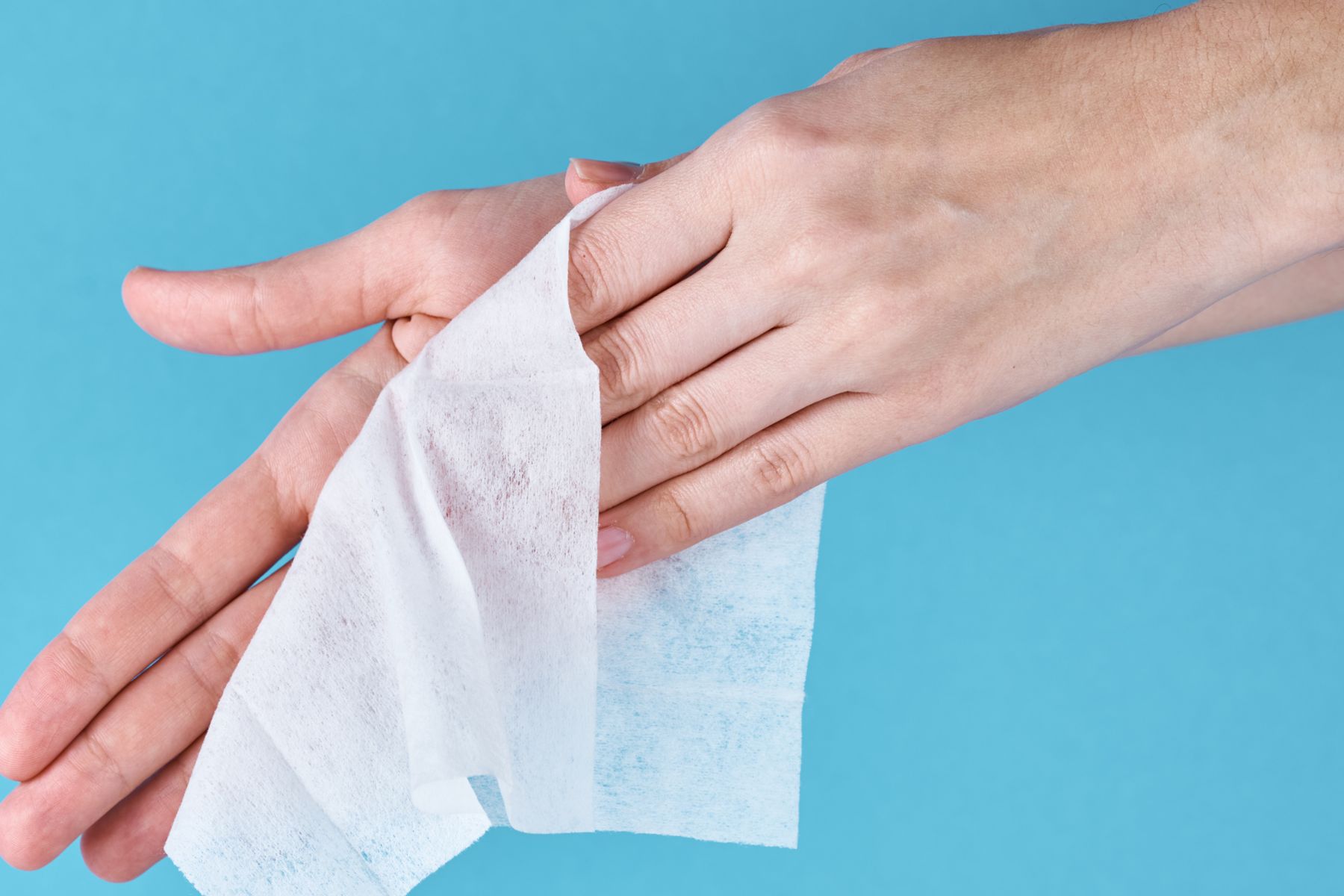
Plastic wet wipes have long been a hidden menace. When flushed, they don’t break down, instead they contribute to sewer blockages that cost water companies around £200 million each year. These wipes also shed microplastics, which pollute rivers, lakes, and coastal areas, harming wildlife and entering the food chain.
The decision to ban them follows a 2023 public consultation, in which 95% of respondents supported tighter regulation. The draft regulations, published in 2025, outline how the ban will work including certain exemptions, for example for wipes used in medical settings or sold by pharmacies.
In announcing the ban, Environment Secretary Emma Reynolds said it marked a “major step” to clean up England’s waterways and reduce plastic pollution. She urged the public to “bin wet wipes, don’t flush them,” even after the ban comes into force because all wet wipes, not just plastic ones, can contribute to blockages.
Still, the change comes with some challenges. The Regulatory Policy Committee flagged concerns in its review of the regulations, noting significant costs to retailers and producers during the transition. But for campaigners, water companies, and environmental groups, the ban is a necessary step to tackle a major source of pollution that has too often been invisible.
Photo by Aliaksandrbarysenka