
Australia is sending powerful waves through the global environmental community with a landmark move to protect its oceans.
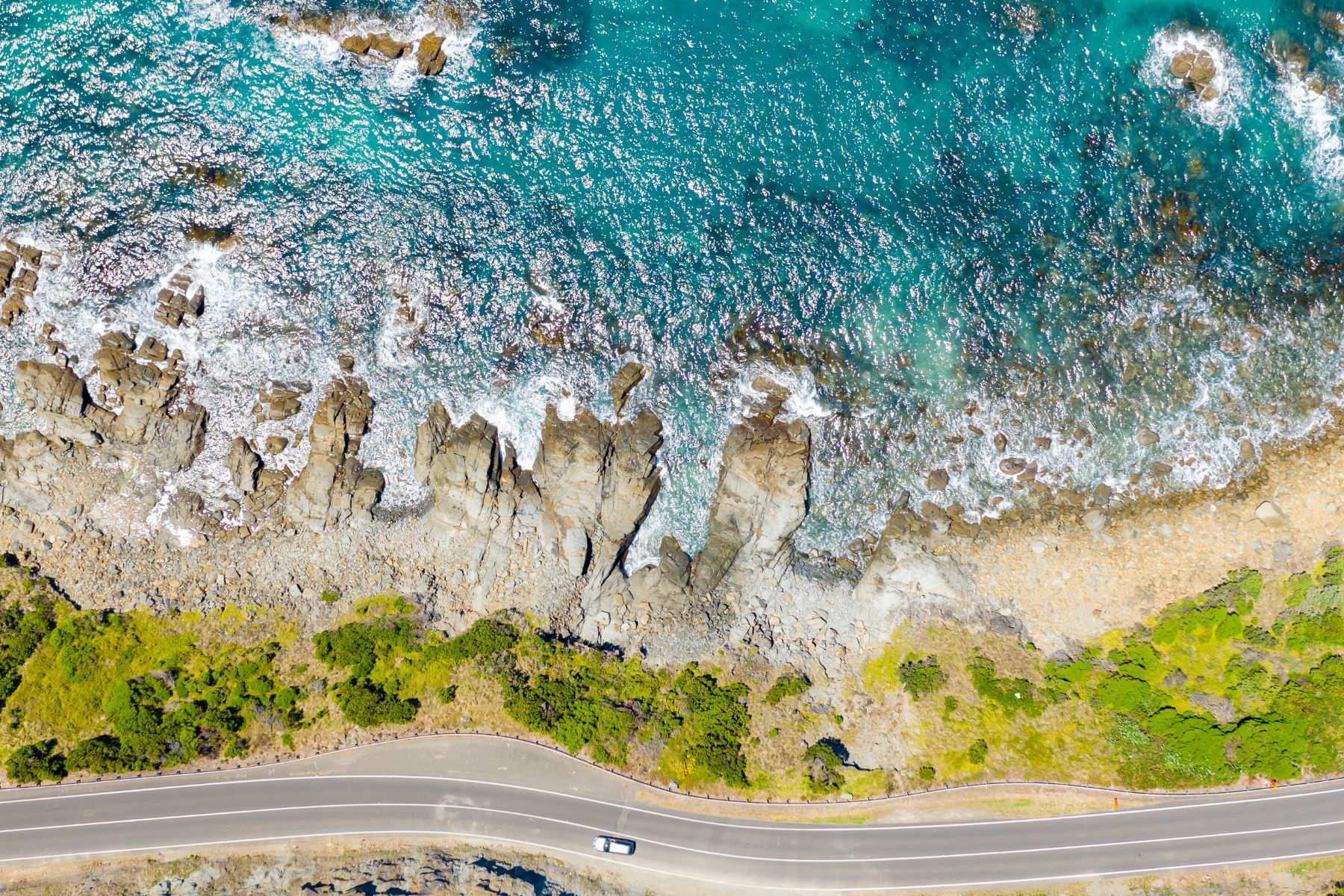
Last week, Environment Minister Tanya Plibersek announced that the Heard Island and McDonald Islands Marine Reserve will expand by more than 300,000 square kilometers. With this decision, Australia now protects 52 percent of its marine territory, more than any other country on Earth. The announcement comes just ahead of a major global nature summit where world leaders will focus on biodiversity and conservation commitments.
Plibersek called the expansion a victory not only for Australia but for the planet. By surpassing the global goal of protecting 30 percent of the world’s oceans by 2030, a target agreed upon only two years ago, Australia has positioned itself as a frontrunner in marine conservation.
The reserve lies about 4,000 kilometers southwest of Perth and 1,700 kilometers from Antarctica. It is one of the most remote and untouched places on the planet. Towering glaciers, vast marshlands, and Australia’s only active volcanoes define the landscape. Its surrounding waters teem with life. With the marine park set to quadruple in size, this extraordinary ecosystem will now receive unprecedented protection.
Plibersek emphasized the urgency of shielding these fragile environments from growing human pressures. The expansion introduces new habitat protection zones and national park areas alongside existing sanctuary zones that already offer the highest level of conservation. In total, Australia has now protected a marine area roughly the size of Italy, following months of public consultation.
This move builds on last year’s expansion of the Macquarie Island Marine Park, another sub Antarctic conservation area. Together, these actions underscore Australia’s ambition to lead on ocean protection at a time when marine ecosystems face mounting threats.
Not everyone, however, sees the expansion as flawless. Pew Charitable Trusts welcomed the announcement but noted that some ecologically critical areas were not granted full sanctuary level protection. Fiona Maxwell, the organization’s national oceans manager, described the islands as wildlife havens and praised protections against mining and new pelagic fisheries targeting species such as mackerel icefish and Patagonian toothfish. At the same time, she raised concerns that undersea canyons and seamounts vital to albatrosses, penguins, and other marine life remain insufficiently safeguarded.
The Save Our Marine Life alliance echoed that mixed response. While supportive overall, the coalition of 27 environmental groups expressed disappointment that certain scientifically identified hotspots did not receive the highest level of protection. Richard Leck, head of oceans at World Wide Fund for Nature Australia, described it as a missed opportunity to deliver truly world class conservation for the Heard and McDonald Islands.
Beyond the boundaries of the marine reserve, attention is turning to funding. The 30 by 30 Alliance argues that bold conservation promises require equally bold financial backing. The group points out that the Albanese government currently allocates just 0.1 percent of its federal budget to wildlife conservation. Spokesperson Jason Lyddieth has called funding the missing piece in Australia’s environmental leadership narrative.
The alliance is pushing for one percent of federal spending to go toward biodiversity protection, including a five billion dollar fund to secure and preserve high value habitats. According to Lyddieth, even that modest shift could dramatically strengthen efforts to prevent extinctions and protect ecosystems for generations to come.
A recent report from the Biodiversity Council highlights the scale of the challenge. It found that Australia spends fifty times more subsidizing environmentally damaging industries such as mining and forestry than it invests in biodiversity protection. Without correcting that imbalance, experts warn, even historic marine expansions may struggle to deliver lasting impact.
By safeguarding more than half of its marine territory, Australia has set a powerful global benchmark. Yet conservationists stress that real leadership requires more than lines drawn on a map. Protection must be backed by enforcement, long term funding, and sustained political will. The expansion of the Heard and McDonald Islands Marine Reserve is a defining step forward, but the journey to fully protect the planet’s most fragile ecosystems is far from over.
Photo by ymgerman from Getty Images Pro