
Jane Goodall was a British primatologist, anthropologist, and conservationist who became one of the most influential scientists in the study of animals.
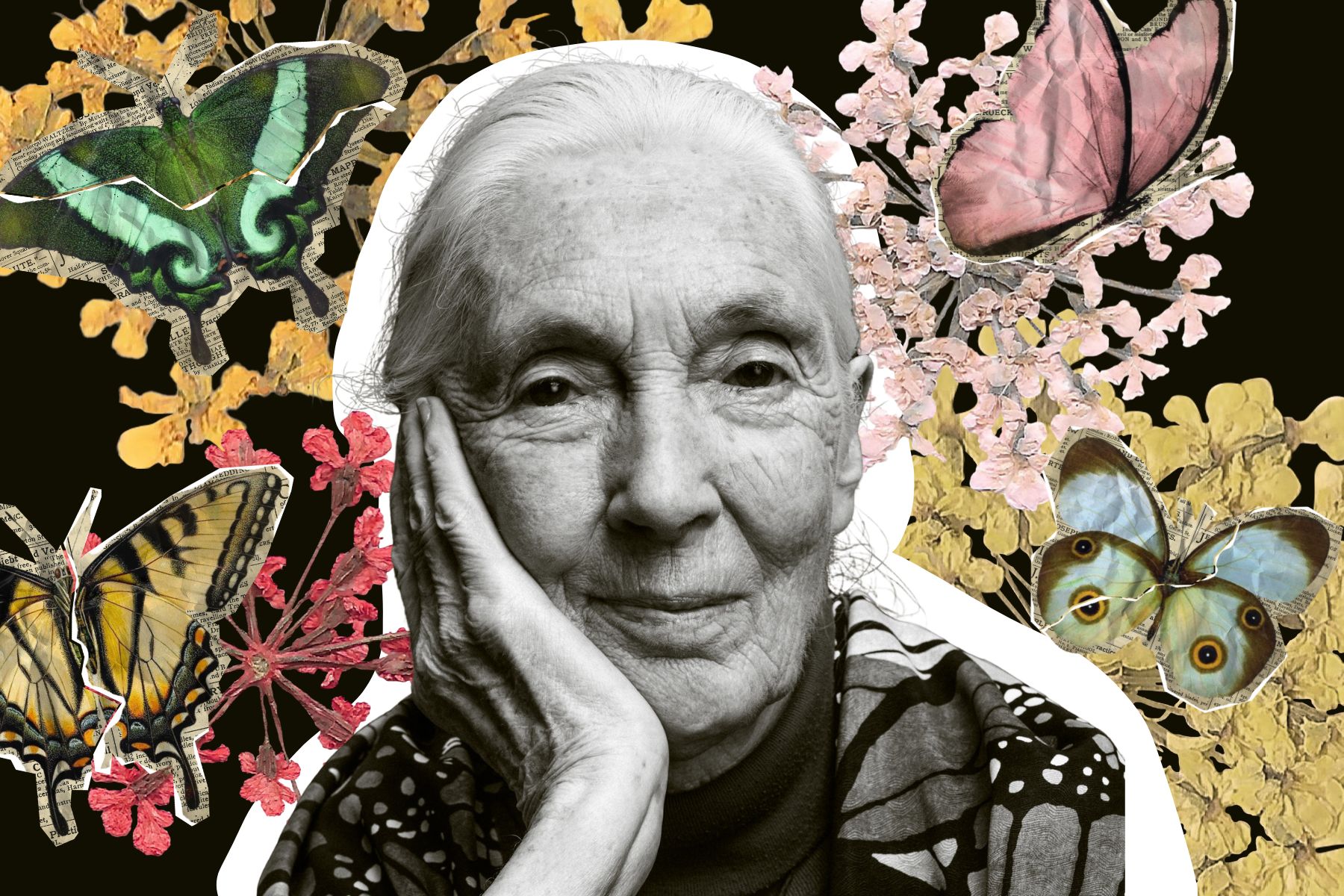
She was born on April 3, 1934, in London, United Kingdom. Goodall is best known for her long term research on chimpanzees in Gombe Stream National Park in Tanzania. Beginning in 1960, she spent years observing chimpanzees in their natural environment and made groundbreaking discoveries about their behaviour and social lives.
Her research changed scientific understanding of animals and humans. Goodall discovered that chimpanzees are able to make and use tools, something scientists had previously believed only humans could do. She also showed that chimpanzees have complex emotions, social relationships, and distinct personalities. Because of these discoveries, she became one of the world’s leading experts on chimpanzees and a pioneer in the study of animal behaviour.
In addition to her scientific work, Goodall dedicated much of her life to conservation and environmental activism. In 1977 she founded the Jane Goodall Institute, an organisation that works to protect chimpanzees and their habitats while promoting conservation efforts around the world. She also helped establish Roots & Shoots, a global youth programme that encourages young people to take action to help animals, communities, and the environment.
Jane Goodall died on October 1, 2025, at the age of 91 after spending decades inspiring people to care about wildlife and the natural world. In recognition of her impact, April 3, her birthday, has now been declared Jane Goodall Day. The day was announced by the Jane Goodall Institute and its international partners, and the first official celebration is planned for April 3, 2026.
Jane Goodall Day is intended to honour her legacy and encourage people around the world to take positive actions for the planet, such as protecting wildlife, supporting conservation, and helping their local communities. The day reflects Goodall’s long standing message that every individual can make a difference in protecting the Earth.