
One of Britain’s most recognisable birds of prey, the golden eagle (Aquila chrysaetos), may be on the verge of returning to England after an absence of more than 150 years. A government backed initiative is now exploring how these apex predators could be reintroduced, combining ecological research with long term conservation planning and community involvement.
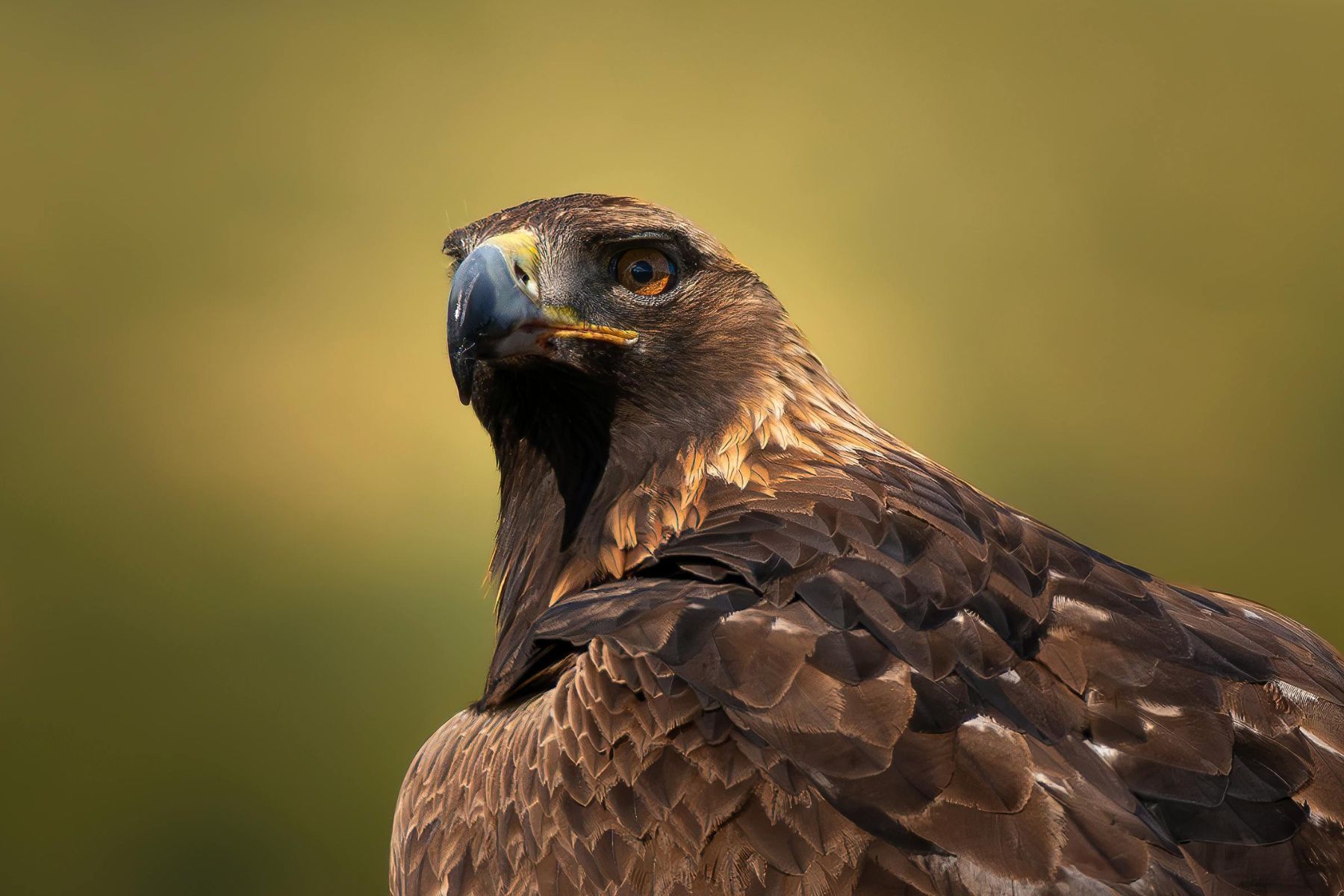
Golden eagles were once widespread across England’s uplands, including regions such as the Pennines and the Lake District. They also held a strong place in British cultural life. The bird is referenced numerous times in the works of William Shakespeare, often symbolising power and majesty. However, by the nineteenth century, persecution had intensified. During the Victorian period, eagles were systematically killed by gamekeepers who viewed them as a threat to livestock and game species. At the same time, changes in land use reduced suitable habitat, leading to their extinction as a breeding species in England.
Today, the strongest populations of golden eagles in Britain are found in the Scottish Highlands, but their range has not naturally expanded southward. Conservation organisations such as the RSPB note that this is due to a combination of low population density, limited dispersal, and ongoing pressures such as illegal persecution. The last known golden eagle resident in England lived in the Lake District and died in 2016, marking the end of the species’ most recent presence there.
A recent feasibility study by Forestry England suggests that conditions may now be suitable for a carefully managed return. The research identifies eight potential recovery areas across northern England, including upland landscapes with sufficient prey such as rabbits and carrion, appropriate nesting sites, and relatively low human disturbance. The study also highlights that any reintroduction would require strong local support, especially from farmers and landowners, to reduce conflict and ensure long term success.
The proposal reflects a broader shift in conservation thinking in the UK toward species restoration and ecosystem recovery. Lessons are being drawn from other reintroduction efforts, including white tailed eagles in Scotland and on the Isle of Wight, which have demonstrated both ecological and economic benefits through wildlife tourism. If approved, the return of golden eagles could help restore a missing top predator and reconnect England with an important part of its natural heritage.
Photo by Jesús Esteban San José from Pexels