
After more than forty years, the thunderous presence of rhinos has returned to Uganda’s Kidepo Valley National Park, a place where poachers once hunted them to extinction for their horns and meat.
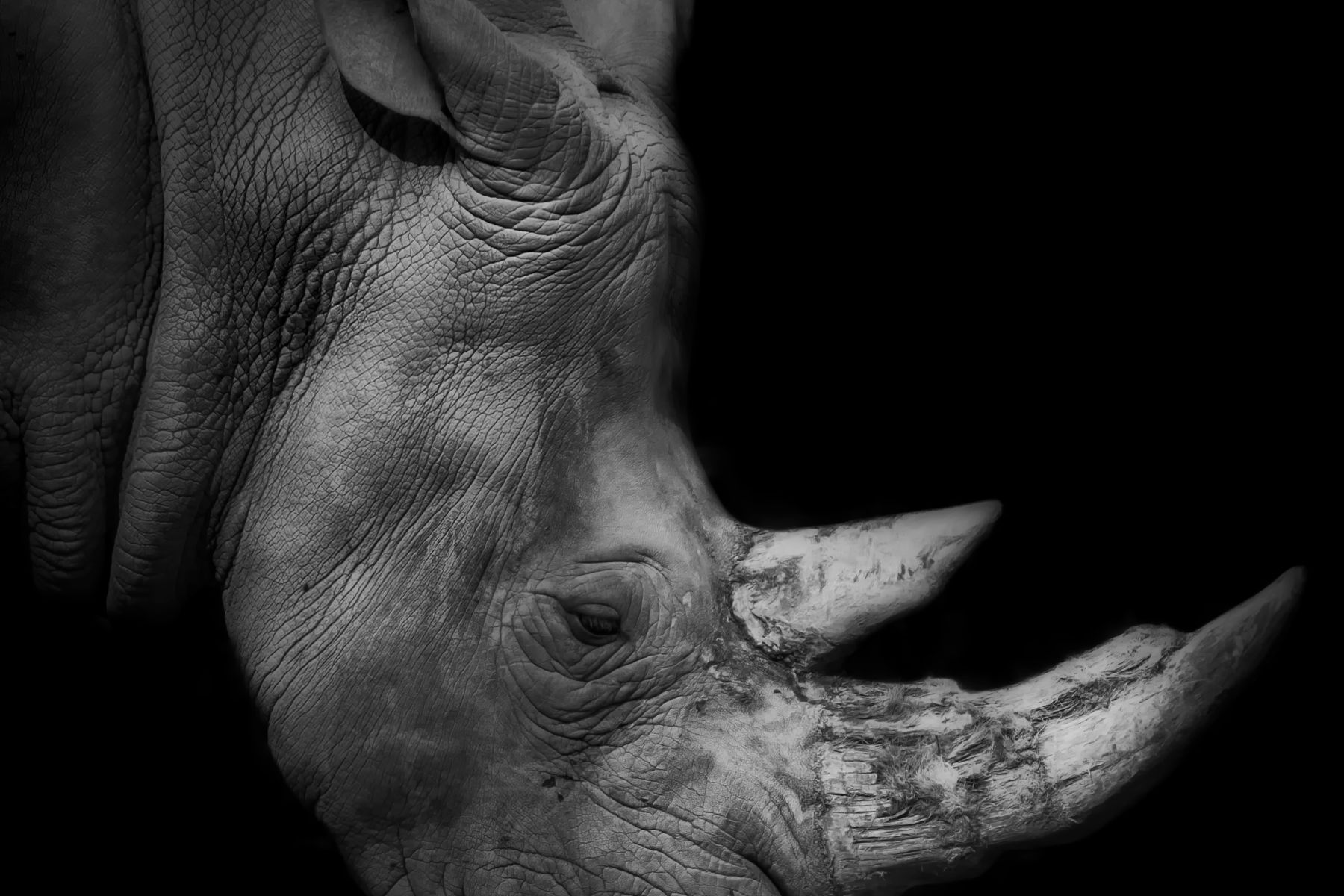
Two southern white rhinos arrived as the first of eight destined to rebuild the park’s rhino population. The last rhino in Kidepo was killed in 1983, marking the end of a species that once roamed freely across Uganda’s national parks, which together had supported around 700 of these massive creatures.
“The arrival of these rhinos marks the start of a new chapter for Kidepo Valley National Park,” said James Musinguzi, executive director of the Uganda Wildlife Authority, which is overseeing the relocation. “Bringing them back is the first step in restoring a species that was once a vital part of the park’s natural heritage.”
Careful planning guided the initiative. Studies on habitat suitability, ecological needs, and security conditions identified Kidepo as one of the most promising sites for a successful reintroduction. The park now hosts a fully equipped rhino sanctuary with perimeter fencing, ranger stations, water systems, firebreaks, access roads, and monitoring technology to ensure the animals are protected and thrive.
The newly arrived rhinos were transferred from a private ranch in Nakasongola, about 100 kilometers north of Kampala, where rhino breeding has been underway since 2005 with animals imported from a Kenyan reserve.
Despite the reintroduction, poaching remains a serious threat in Uganda. Authorities continue to arrest and prosecute those involved in illegal wildlife trade, including rhino horn, ivory, and pangolins. The black-market demand for rhino horn, fueled by traditional medicine and status symbols in parts of Asia, keeps the risk high.
Globally, southern white rhinos are classified as “near threatened” by the International Union for Conservation of Nature, with populations declining. In 2020, just over 10,000 remained in existence, making Uganda’s effort a small but significant step toward bringing these giants back from the brink.
Photo by DJB_Images from pixabay