
A powerful change is underway in how young people in the UK socialise: more and more are choosing the gym instead of heading to the pub.
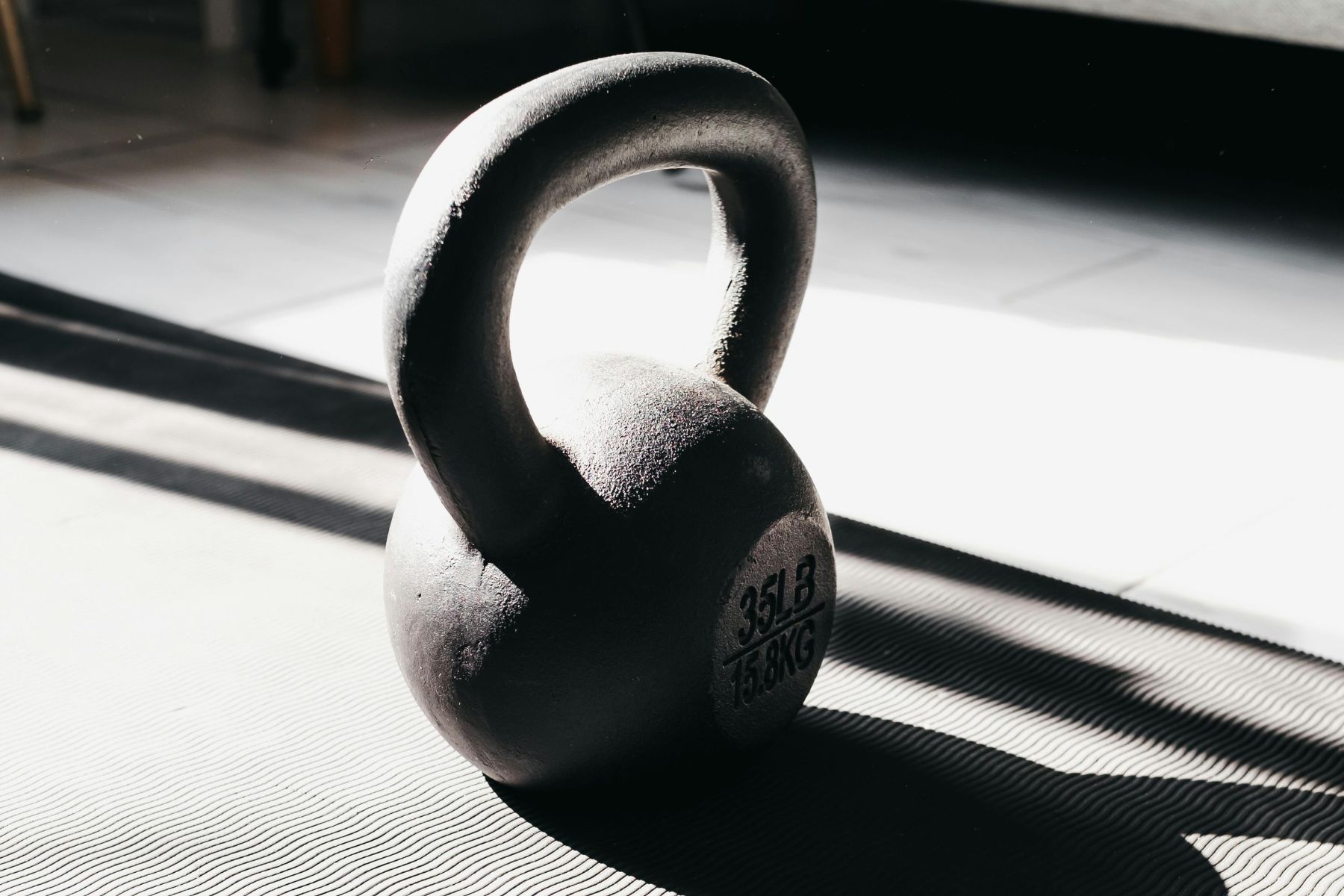
According to recent research and market data, Generation Z is driving a surge in gym membership, with fitness increasingly serving as a social hub rather than just a place to work out.
A survey commissioned by The Gym Group, conducted by Focaldata, found that 37% of 18–24-year-olds now view the gym as a place to socialise, while 42% say they have made new friendships through working out. In that same age group, 62% exercise at least twice a week, and nearly half report reducing their alcohol intake in the past six months.
The trend is backed up by figures from UKActive, which shows that gym membership has reached a record high of 11.5 million in the UK and young adults are a major part of that push. According to industry experts, this is not just about exercise: it reflects a broader shift in social priorities, with well-being, mental health and community taking centre stage for younger generations.
Economic factors are also playing a role. Research from CBRE shows that, even though many people are facing financial pressure, younger people are more willing to cut back on nights out, eating in restaurants or going to the pub, but they are less ready to give up their gym visits. A growing “sober socialising” movement among Gen Z is amplifying this: for a significant number, social life no longer revolves around alcohol, but around health‑oriented gathering.
Some gym-goers describe their clubs as their “second home,” where they hang out with friends, work off stress, or just socialise in a space that feels more meaningful than a night out drinking. Spending on fitness is rising fast: data from Lloyds shows a 24 percent increase in money spent on fitness between 2022 and 2024, especially among younger age groups.
Altogether, the data suggests a clear generational shift: for many young people, the gym has replaced the pub as their social arena. This change is reshaping not just fitness culture, but nightlife, community and how youth experience free time.
Photo by Bruno Cervera from Pexels