
Air pollution in London fell to within the legal limit for the first time in 2024
London has hit a historic milestone. For the first time ever, the city’s air pollution levels are within legal limits, marking a stunning victory for Mayor Sadiq Khan’s bold campaign to clean up the capital’s air.
Just six years ago, experts at King’s College London warned it could take almost two centuries—193 years—to reach this point without strong action. Yet under Khan’s leadership, London has achieved the goal in only nine years. That’s an astonishing 184 years ahead of schedule.
New data from the Department for Environment, Food and Rural Affairs confirms that in 2024 London finally met the Air Quality Standards regulations. The results, based on detailed modelling and official monitoring networks, show a dramatic improvement that few thought possible so soon.
Since taking office in 2016, the Mayor has introduced a series of groundbreaking policies, including the Ultra Low Emission Zone, known as ULEZ. As a result, harmful nitrogen dioxide levels at London’s roadsides have nearly halved.
Toxic air once caused around 4,000 premature deaths each year in the city and cost the UK economy more than £27 billion annually. Air pollution contributes to asthma, lung cancer, heart disease, strokes, and even dementia. Cutting these pollutants is not just about cleaner skies, it is about saving lives.
Despite fierce criticism from political opponents and business interests, Khan pressed ahead with expanding ULEZ across the entire city. The results speak for themselves: the scheme has been even more effective than experts predicted.
Today, London stands as a global example of what determined leadership can achieve. While cities such as Manchester, Liverpool, and Birmingham continue to exceed legal limits, London has turned the tide. The Mayor now aims to go even further by meeting the World Health Organization’s stricter targets for nitrogen dioxide and fine particulate matter as soon as possible.
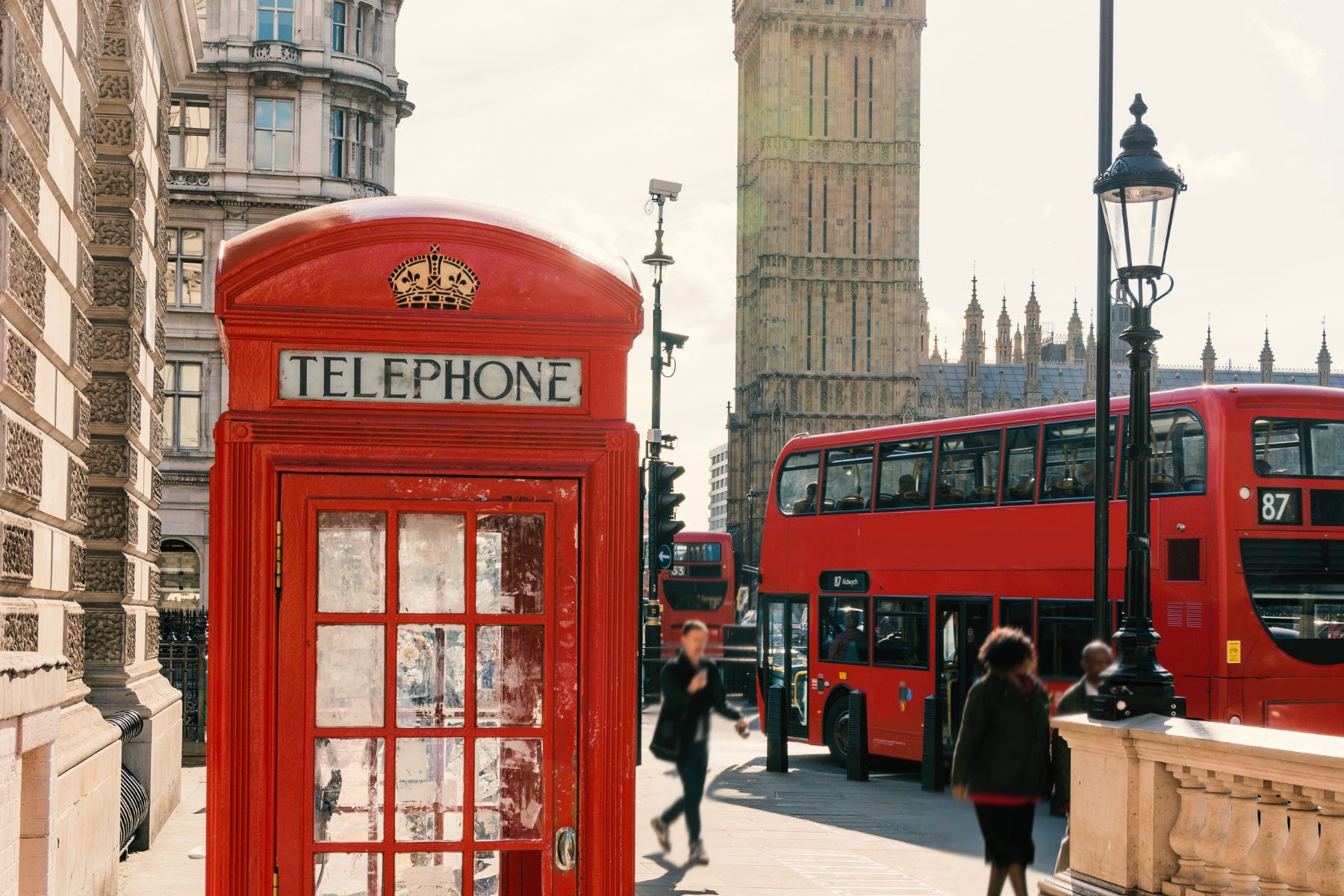
The impact of ULEZ has been huge. When it was first launched, only 39 percent of vehicles in London met its clean air standards. Now, that number has soared to 97 percent. The city also boasts more than 2,000 zero-emission buses, meaning two in every nine of London’s iconic red buses are now green. This is a major leap from just 30 electric buses in 2016. The Mayor and Transport for London are pushing toward an ambitious goal of an entirely zero-emission bus fleet by 2030.
Looking ahead, Sadiq Khan plans to build on these achievements by electrifying all London buses, expanding the city’s electric vehicle charging network, and cracking down on emissions from construction equipment. He will also continue his award-winning Breathe London project, which gives residents real-time, hyperlocal air quality data to help protect themselves and vulnerable groups such as children.
“This is incredible news,” said Mayor Khan. “When I took office, experts told me it would take nearly two centuries to reach legal air quality levels. I refused to accept that. Thanks to the bold steps we took, we’ve done it in nine years. Nearly ten million people are breathing cleaner air, children are growing up healthier, and the NHS will save millions.”
He added, “It wasn’t always easy. There was pressure from all sides to slow down or stop. But pushing forward was the right choice, and it’s made an even bigger difference than we imagined. I’ll keep working with the Government, boroughs, and communities to build a greener, fairer London for everyone.”
Experts have praised London’s rapid progress. Professor Frank Kelly of Imperial College London called it “a truly remarkable turnaround” and proof that decisive, evidence-based policies work. He said, “London has achieved in a few years what was once thought impossible. We are now on the right path to meet the World Health Organization’s targets by 2030.”
Sarah Sleet, CEO of Asthma and Lung UK, also welcomed the news. “This is a huge step forward, especially for the 600,000 Londoners living with lung conditions,” she said. “It will help reduce emergency admissions and save lives. We’re delighted that Sadiq Khan is committed to going even further to meet global air quality standards.”
London’s journey shows what can happen when a city refuses to settle for polluted skies. In less than a decade, bold action has transformed the air millions breathe, and set a new global benchmark for what is possible.
Photo by jotily from Getty Images Pro